
Storybook dream come true
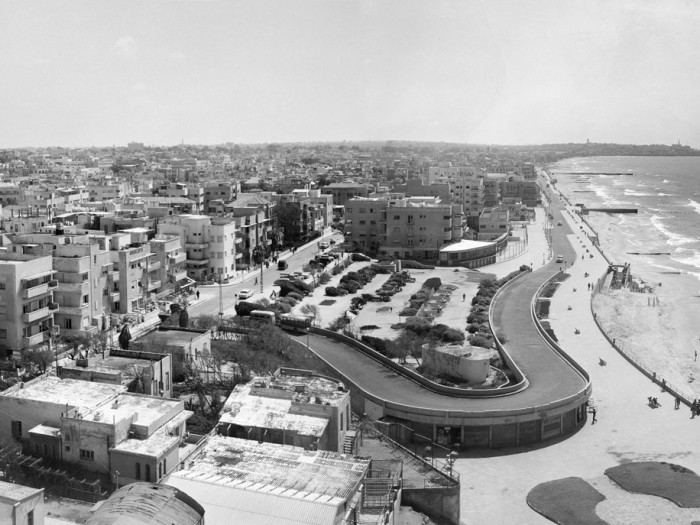
“It thrilled me to no end flying over Tel Aviv and landing”
July 21, 1957
“This place is like a story book dream coming true.”
July 24, 1957

David's Comments
For my father, actually seeing Israel for the first time was like a "storybook dream coming true."
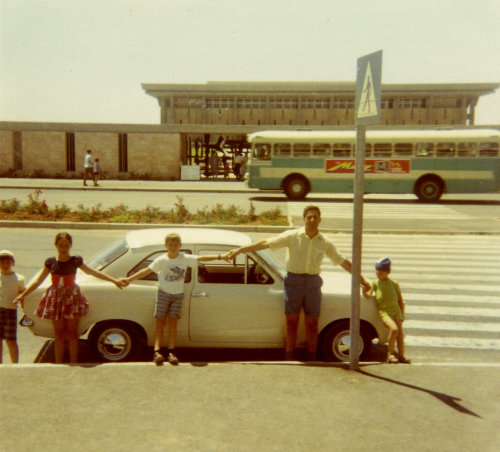
For me also, being in Israel for the first time with my family (1970) was like a "storybook dream come true."
Appreciating Returning to Our Birthright
This place is a storybook dream coming true No matter how many times you read the bible, watch the news read history books the only way to experience Israel and understand your heritage is to visit Israel yourself. This website or any virtual tour of Israel can’t substitute seeing Israel yourself. The founders of Birthright understood this seeing where the birthright was given.;
“This place is like a storybook dream coming true”
Seeing Israel for the first time was to Bob like a “Storybook come true.” My father had learned Bible stories as a young boy, and now he was seeing it for the first time in real life. He wrote two letters to his parents in one day. The number of places he saw in one day is a story in itself. I have read many books on Israel and I have not read any book that gives detailed descriptions about the Negev, the Dead Sea, Beer Sheva the Jerusalem, Tel Aviv, kibbutzim and the northern part of the country etc., as my father did in his letters. Bob also described the factories and natural resources in each place.
“Here goes. Monday morning, I woke up at 5 AM. We boarded the buses.”
My dad wrote two letters on July 23rd. The first letter was at 2:00 pm, and the second letter was written late that night. He mentions that he woke up at 5:00 am to board the buses. In the second letter he mentions the buses returning back to Jerusalem at 2:00 AM.. That is a lot of touring – twenty-one hours of traveling in one day.
“First we went through the Jerusalem Corridor
When my father wrote “Jerusalem Corridor” he was referring to the part of the Corridor, or the road, that extended from Sha’ar HaGai (also known as ‘Bab el-Wad’ in Arabic) which is near Beit Shemesh, all the way up to the western entrance of Jerusalem. This road became a lifeline for the approximately 100,000 residents living in Jerusalem as it was the only road that opened up access to Tel Aviv and central Israel. Strategic parts of the road were controlled by the Arabs who prevented supplies, including food, from reaching Jerusalem. Jewish convoys carrying supplies that tried to break through the Corridor were often ambushed and its Jews slaughtered on the spot.
“…where we saw burned armed trucks that were left as monuments from the War of Liberation in 1948. “
When I was five years old, I remember visiting Israel for the first time in 1970 with my family. I specifically remember my dad talking about the battles to capture Jerusalem. He stopped the car and showed us the burned trucks from the War of Independence in 1948. He also explained that when the British left Palestine, many of their weapons went to Arab Legion and not to the Jews. Israel suffered many casualties, and it was a miracle they survived and established the Jewish State. Each year during Yom HaZikaron (Israel Memorial Day) the “Bab el-Wad” song is sung in memory of the many who fell in the battles for Jerusalem in 1948.
1957 vs today
In 1957, txxxx
Today, tsssssssssss
LINKS:
Ixxxxxx